Migrant workers are everywhere in Singapore, building homes and roads, constructing MRT stations, cleaning streets and repairing ships. A decade ago, the charity It's Raining Raincoats set out to change how they were seen as much as how they were helped. In 2025 it marked its tenth year.
Its founder, lawyer Dipa Swaminathan, 53, traces the organisation to a single evening more than ten years ago. Driving home in a thunderstorm, she saw two workers sheltering under a piece of cardboard. She offered them a lift and her phone number. One of them, Murugan, later called: mistreated by his employers and in debt, he had been charged with attempted suicide. Swaminathan helped get the charges dropped and his loans cleared, and felt compelled to keep looking out for workers in similar situations.
What began as a personal effort soon needed a team. The early idea was simple, she said: encourage Singaporeans to share what they had. A few friends pooled money and items to support a handful of workers, and word spread until It's Raining Raincoats grew into a full movement.
The perception gap was stark at the start. "They build our homes, our roads, our MRT stations, yet for a long time, they were seen but not truly acknowledged," Swaminathan told CNA Women. Most migrant workers in Singapore are employed in physically demanding sectors such as construction, shipyards and process industries, often coming from India, Bangladesh, China and Myanmar. She noted that the language itself drew a line, with lower-paid arrivals called "migrant workers" while others in white-collar roles are called "expatriates."
Over the years the charity has run a wide range of programmes: breaking fast together at iftar during Ramadan, working with mosques, temples and churches to provide meals, and distributing cash to cover costs such as transport to the airport or a visit to the doctor. It has also coordinated the gifting of pre-loved items, from fridges and washing machines to bicycles and portable air-conditioners, everyday things that can be out of reach on a tight budget.
Swaminathan was clear, though, that donation drives alone do not change mindsets. So the charity organised events, family days, shared meals and festive celebrations, where Singaporeans and workers could meet as equals. Companies came on board with corporate programmes such as "Manager for a Day," sorting donations, "Makan with Migrant Brothers," sharing a meal and conversation, and weekend outings to places like the zoo, Gardens by the Bay and Universal Studios Singapore. The charity also began sharing workers' own stories, in their own words and languages.
The COVID-19 pandemic was a turning point. As conditions in dormitories drew national attention, public support surged, donations poured in, and the well-being of workers was discussed in Parliament. "It showed us that Singaporeans and people living here do care," she said.
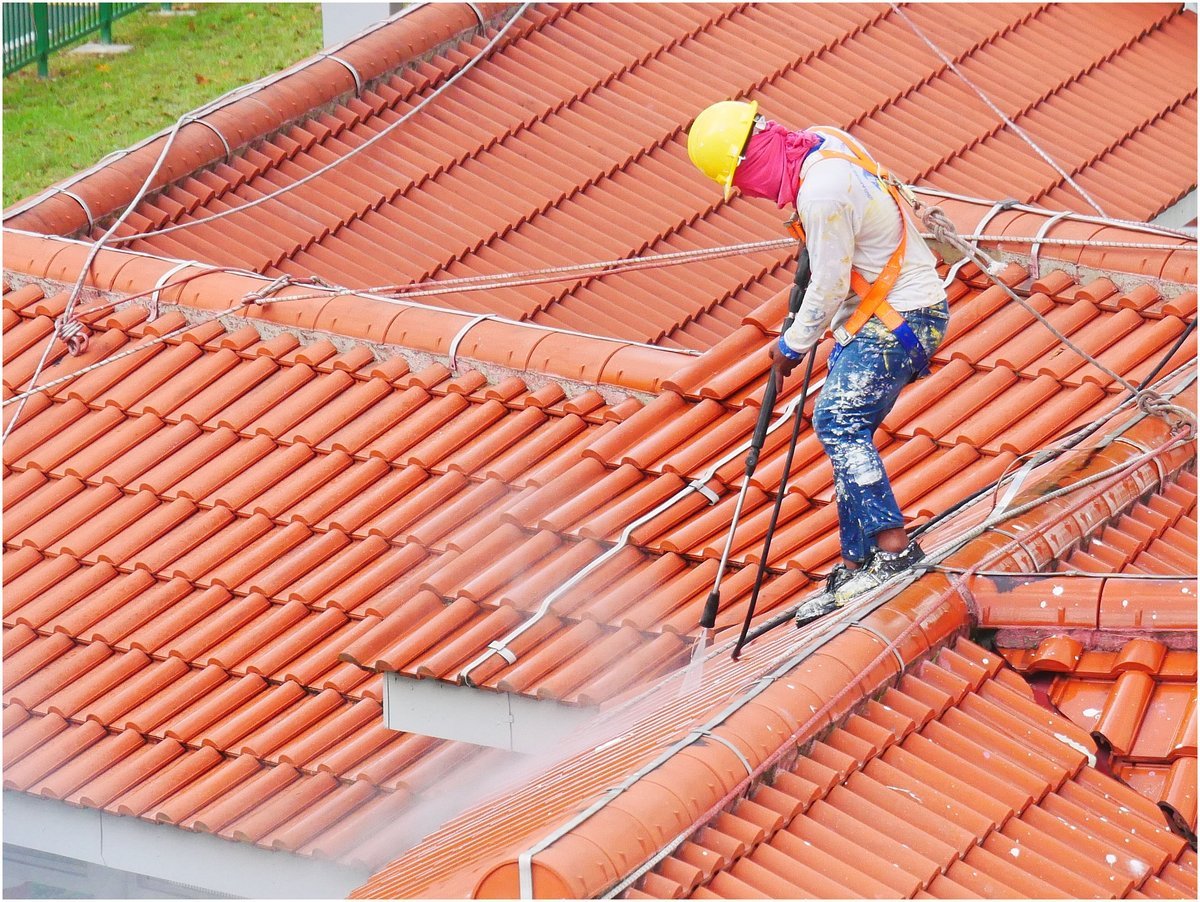
Five years on, Swaminathan stresses the need to sustain that support, pointing to problems that persist. Unsafe lorry transport remains, she said, with deaths still occurring over the years. From her conversations with workers, some still earn as little as S$18 a day for demanding labour, and many are not paid on time. She described painters who work dozens of floors up, their safety depending on a single rope. "Who's ensuring they don't die while painting the places we live in?" she asked.
Because many of these are policy questions, It's Raining Raincoats works alongside other groups such as Transient Workers Count Too and the Migrant Workers' Centre, meeting Members of Parliament and other decision-makers. "Some of these issues seem bleak, and I have more questions than answers these days," she said. "But the key is to keep going. We must do better as a society."
From a handful of friends, the charity now has two full-time staff and is supported by hundreds of regular volunteers and thousands of occasional ones. To mark its tenth anniversary, it planned a fundraising gala lunch featuring speeches from volunteers and workers and a fashion show in which the workers themselves would take to the catwalk.
Swaminathan says she chooses to focus on how much has shifted. "Now, many people in Singapore show up for the people who built, and continue to build, our country," she said. "Seeing them, I'm filled with hope. And that's what keeps me going forward."