Yemen’s hospitals face new strain as fighting cuts off aid routes
Relief agencies warn that renewed clashes are straining hospitals and putting essential food and medical supplies beyond reach.
Read the story →
Relief agencies warn that renewed clashes are straining hospitals and putting essential food and medical supplies beyond reach.
Read the story →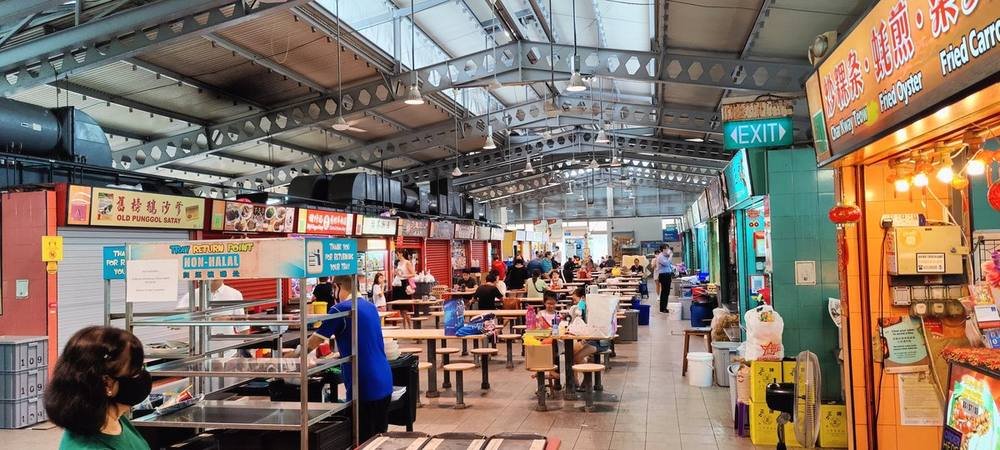
Korea-born finance executive Andrew Lim arrived in Singapore in 2019 expecting an easy transition. What drew him in was the everyday warmth, starting with hawker-centre lunches, that convinced him to put down roots and start a family here.

A food-security monitor says conflict and severe drought are damaging livelihoods and worsening famine risks in Darfur and Kordofan.

Advance third-quarter estimates show continued expansion, with a pullback in manufacturing from the previous quarter.

The September survey rose to 50.1, while employment and smaller-enterprise readings remained below the threshold.
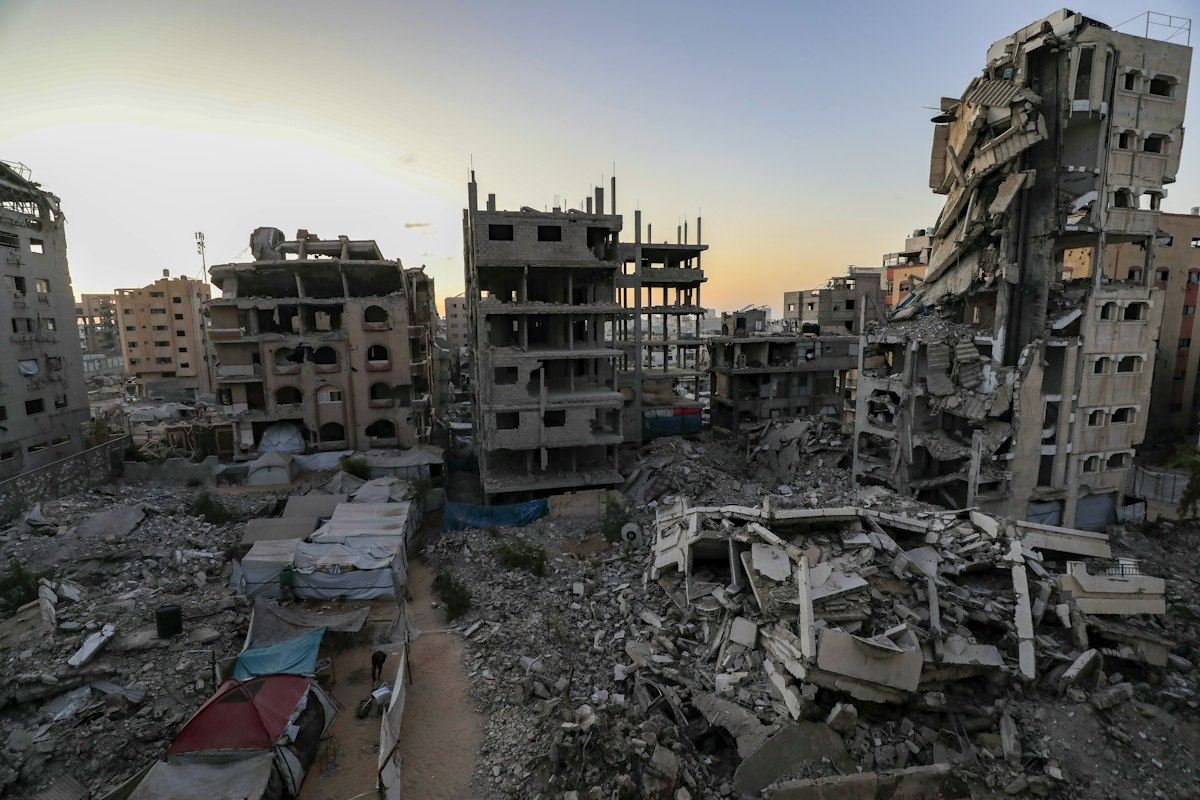
Energy costs, weaker aid flows and the search for private investment framed the questions facing lower-income countries at the annual meetings.
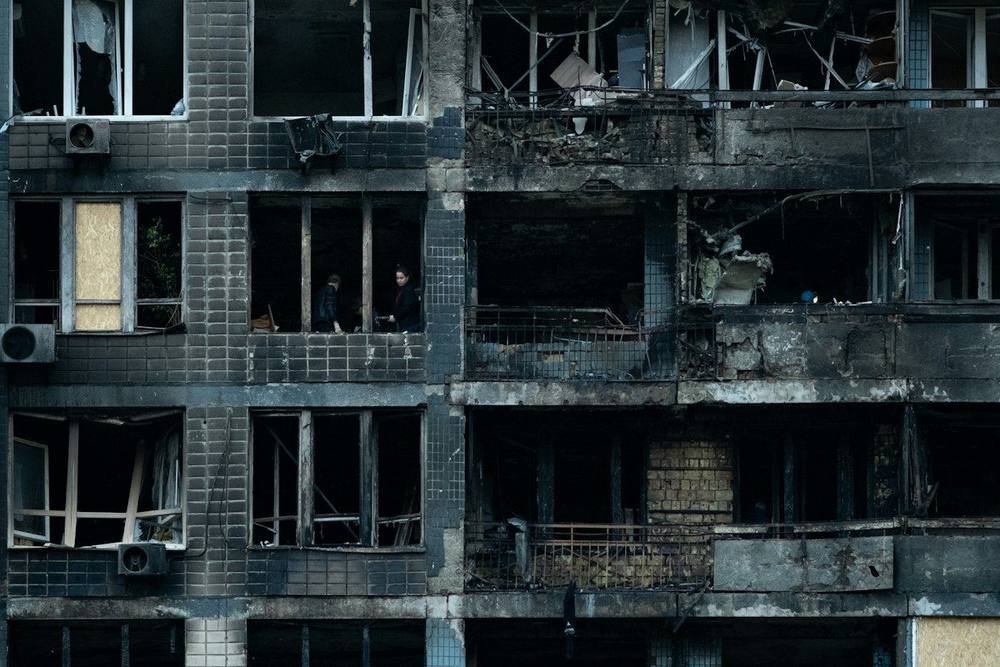
Regional tensions moved energy shares and market sentiment as investors weighed the effect of supply risks on transport and prices.
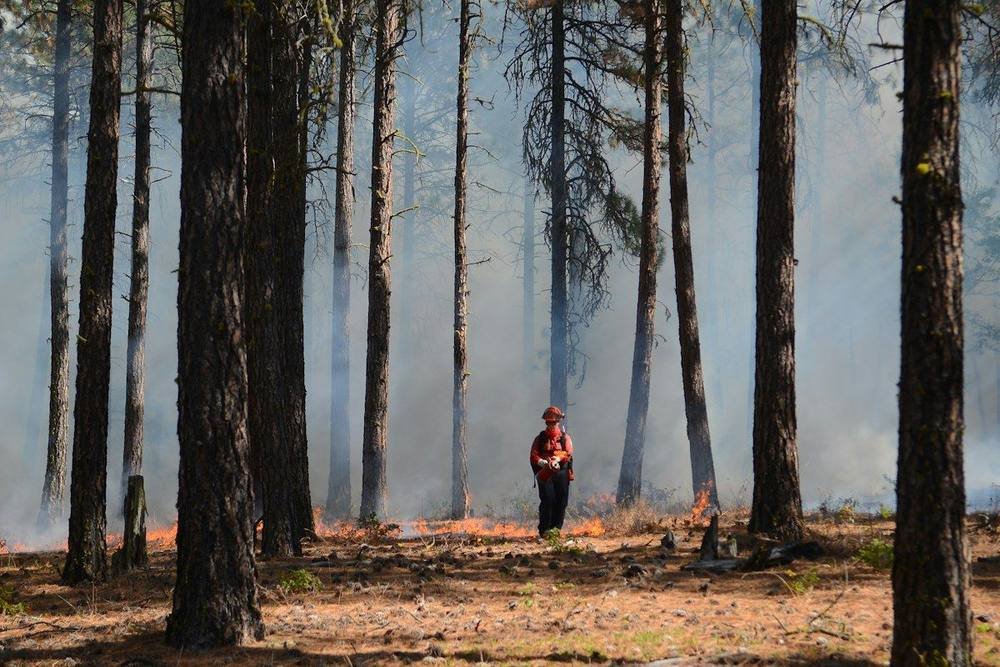
Investment in chips, data centres and power networks is adding to demand for financing as borrowing costs rise.
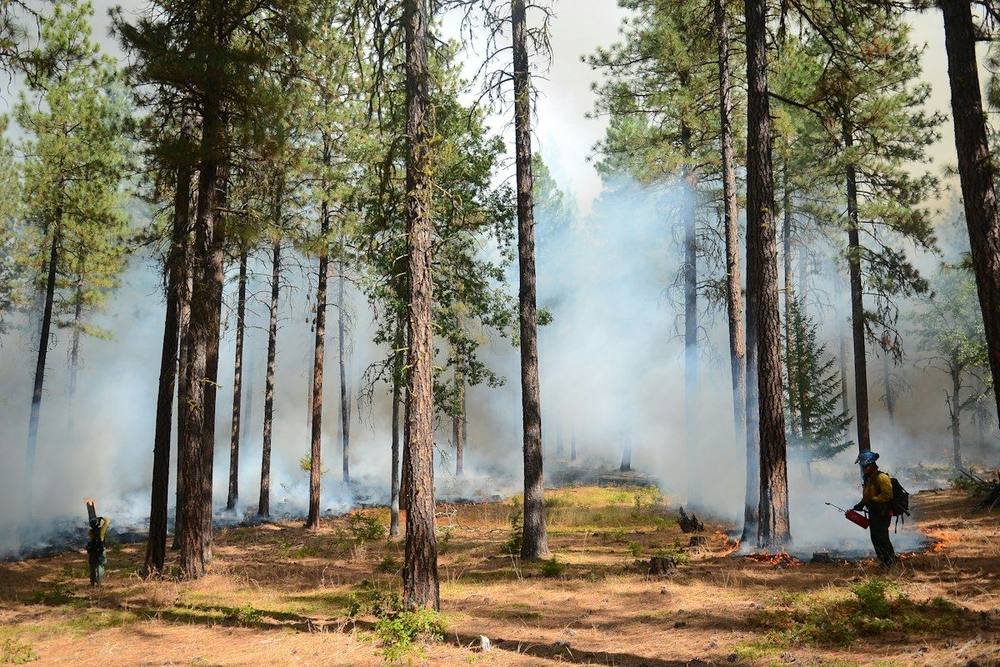
UNEP estimates annual adaptation needs could reach $310 billion by 2035 under modelled costs, far above current public finance flows.

Connectivity expanded worldwide, but access gaps remained concentrated in lower-income countries and rural communities.
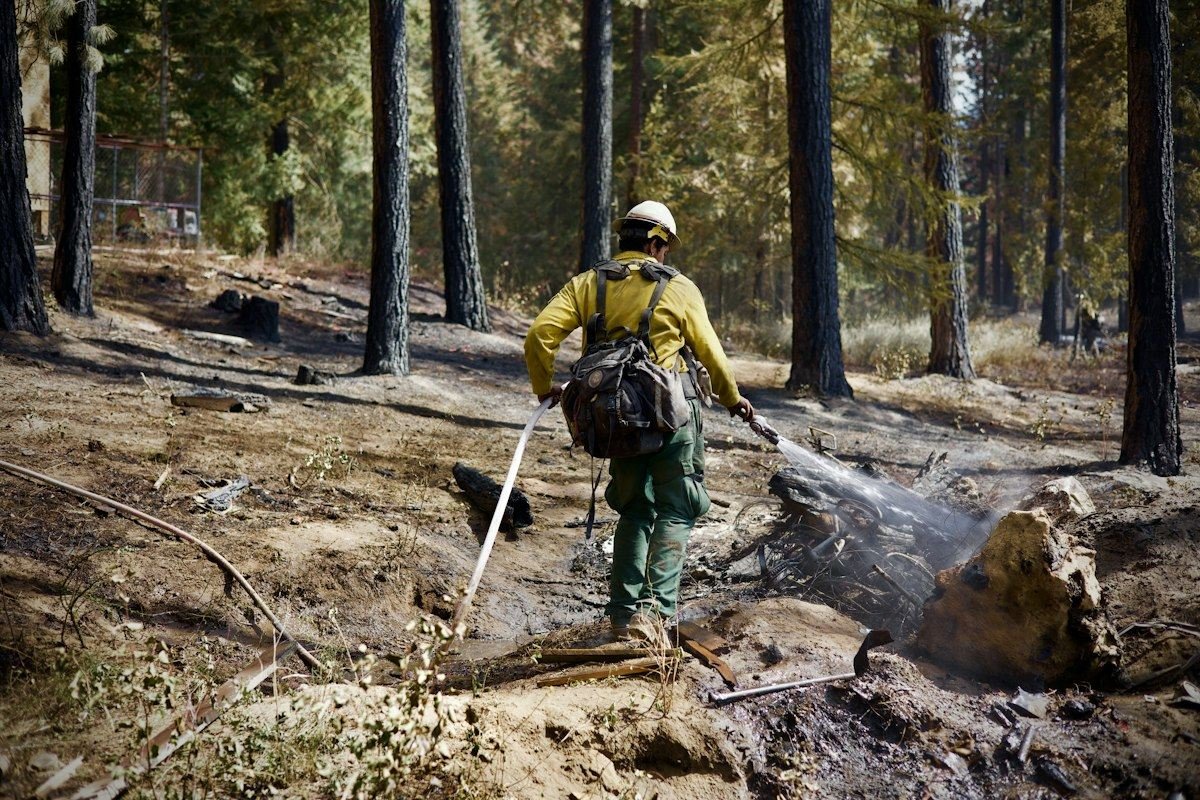
Technology spending is helping sustain activity, while war-related energy costs, debt and a possible market correction remain downside risks.