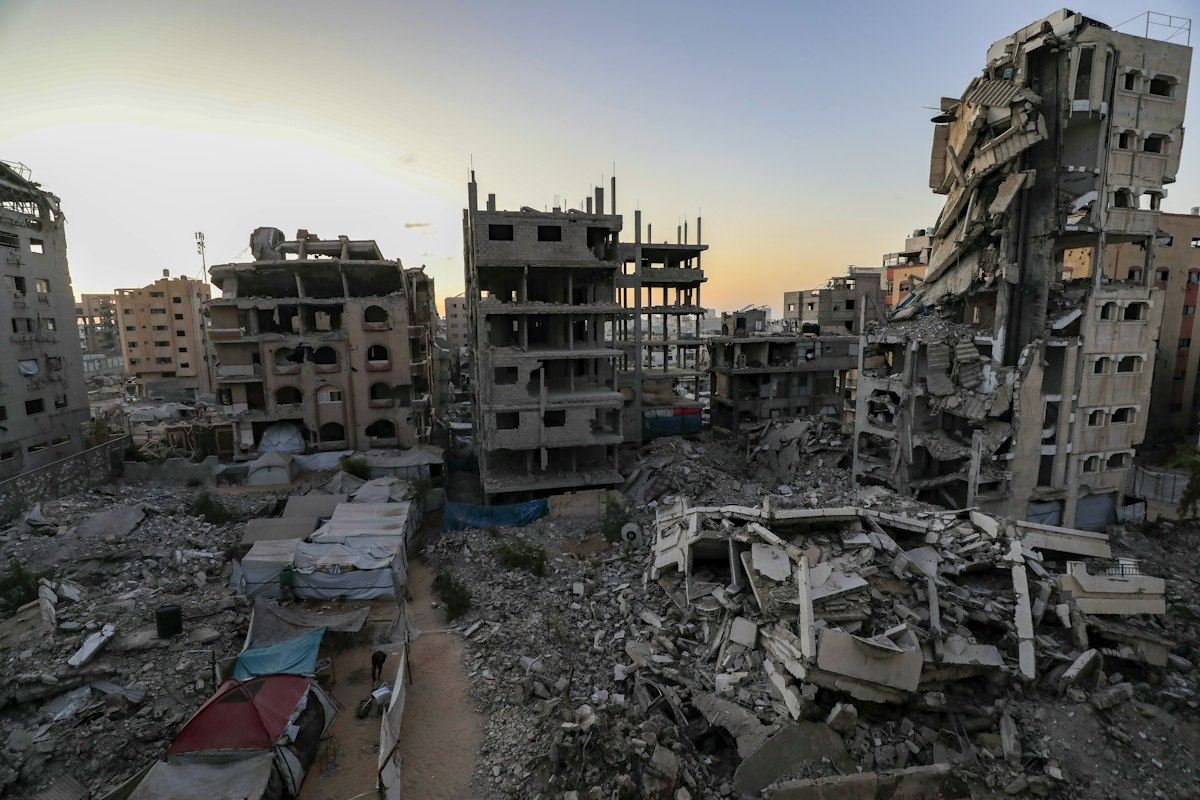
IMF and World Bank meetings leave developing economies weighing difficult choices
Energy costs, weaker aid flows and the search for private investment framed the questions facing lower-income countries at the annual meetings.
Business and economic developments across World & South Asia.
Read the latest briefings alongside earlier decisions, investments and economic releases. Historical source dates are shown on archive stories.
Energy costs, weaker aid flows and the search for private investment framed the questions facing lower-income countries at the annual meetings.
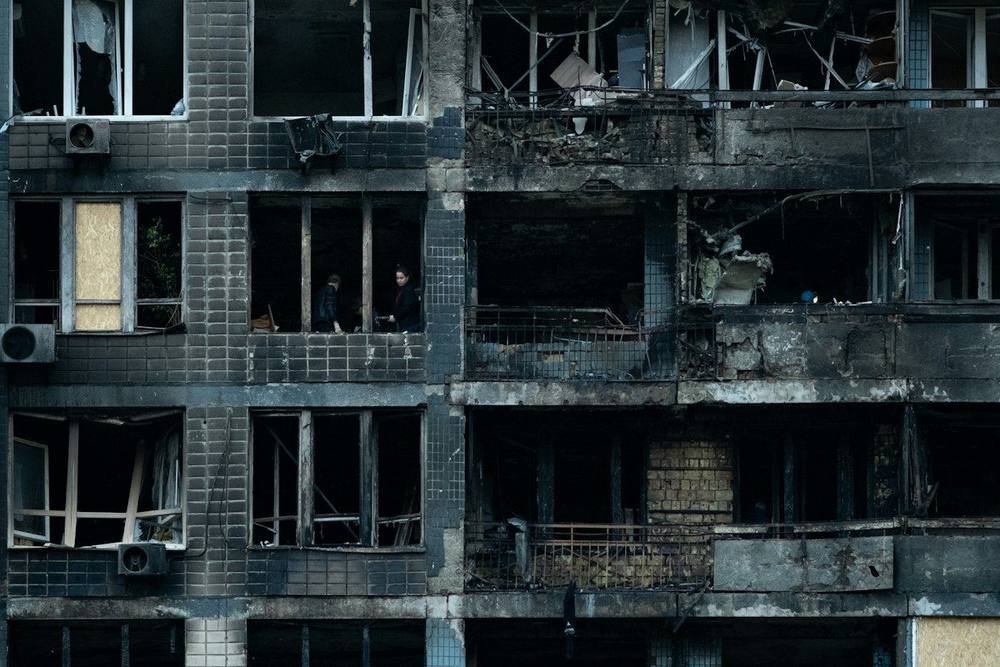
Regional tensions moved energy shares and market sentiment as investors weighed the effect of supply risks on transport and prices.
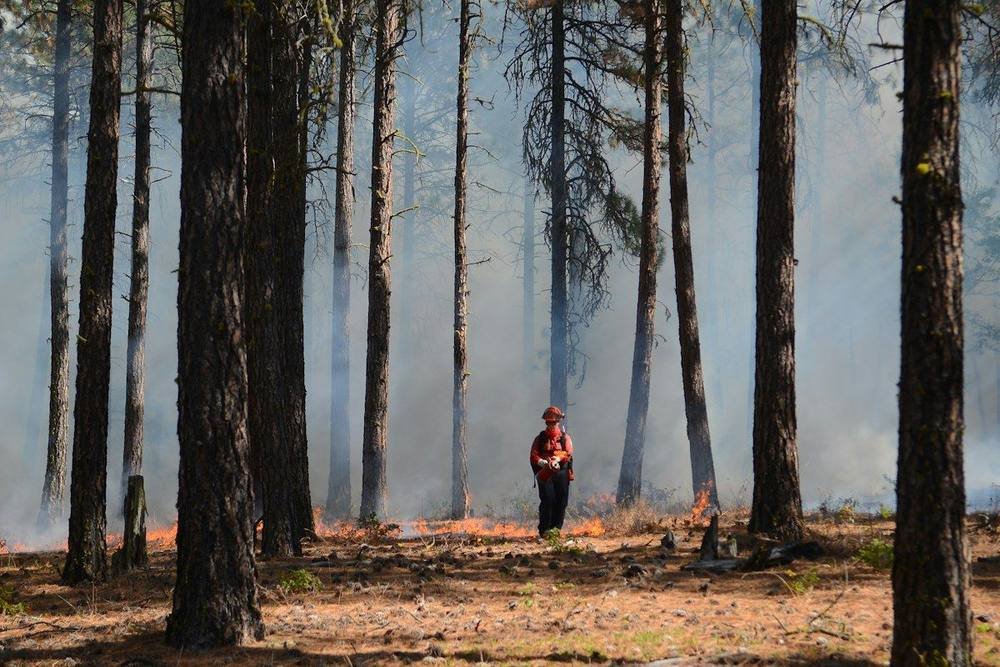
Investment in chips, data centres and power networks is adding to demand for financing as borrowing costs rise.
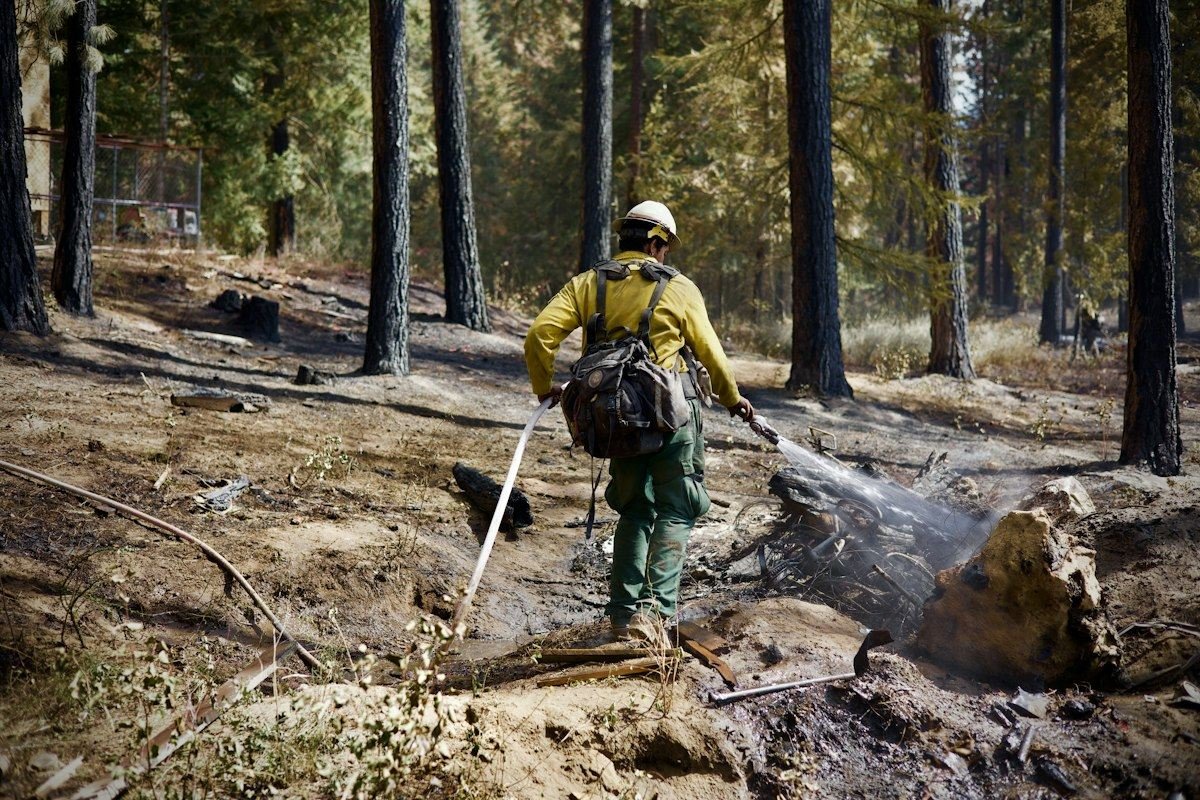
Technology spending is helping sustain activity, while war-related energy costs, debt and a possible market correction remain downside risks.
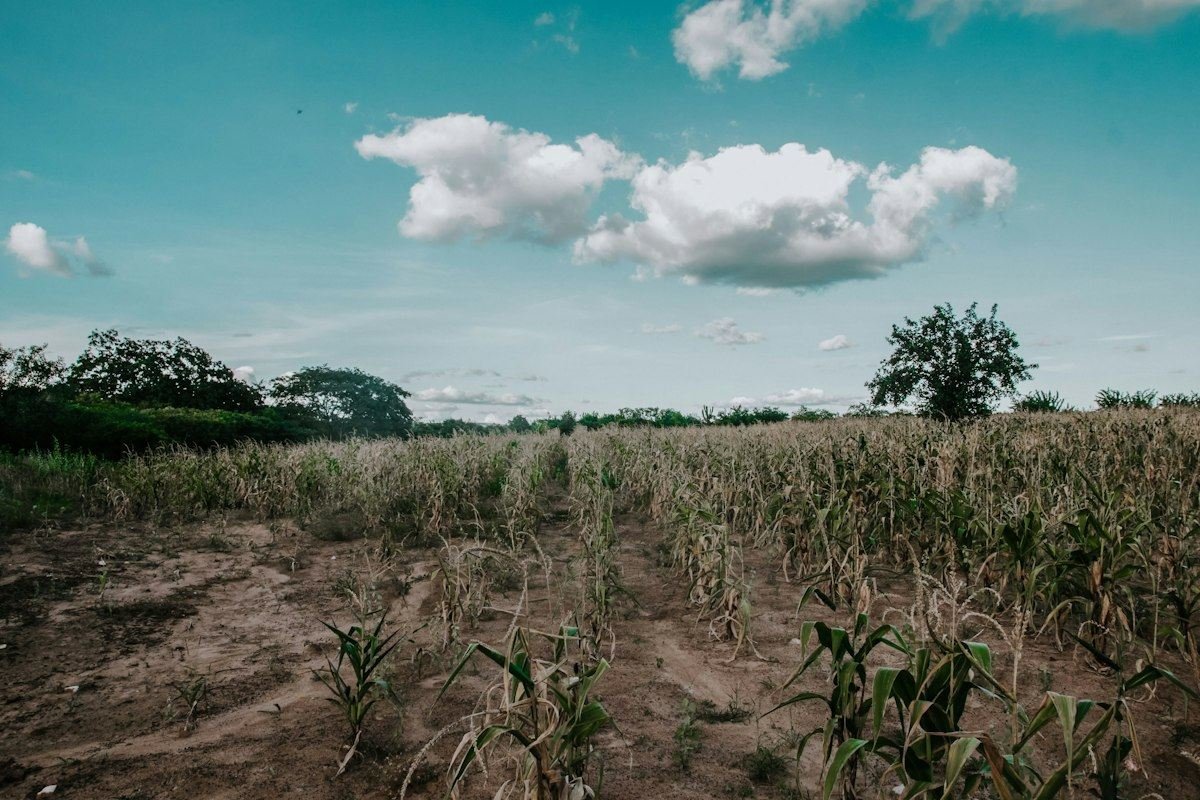
The IMF chief urged safeguards as officials discussed the benefits and risks of rapid AI investment.
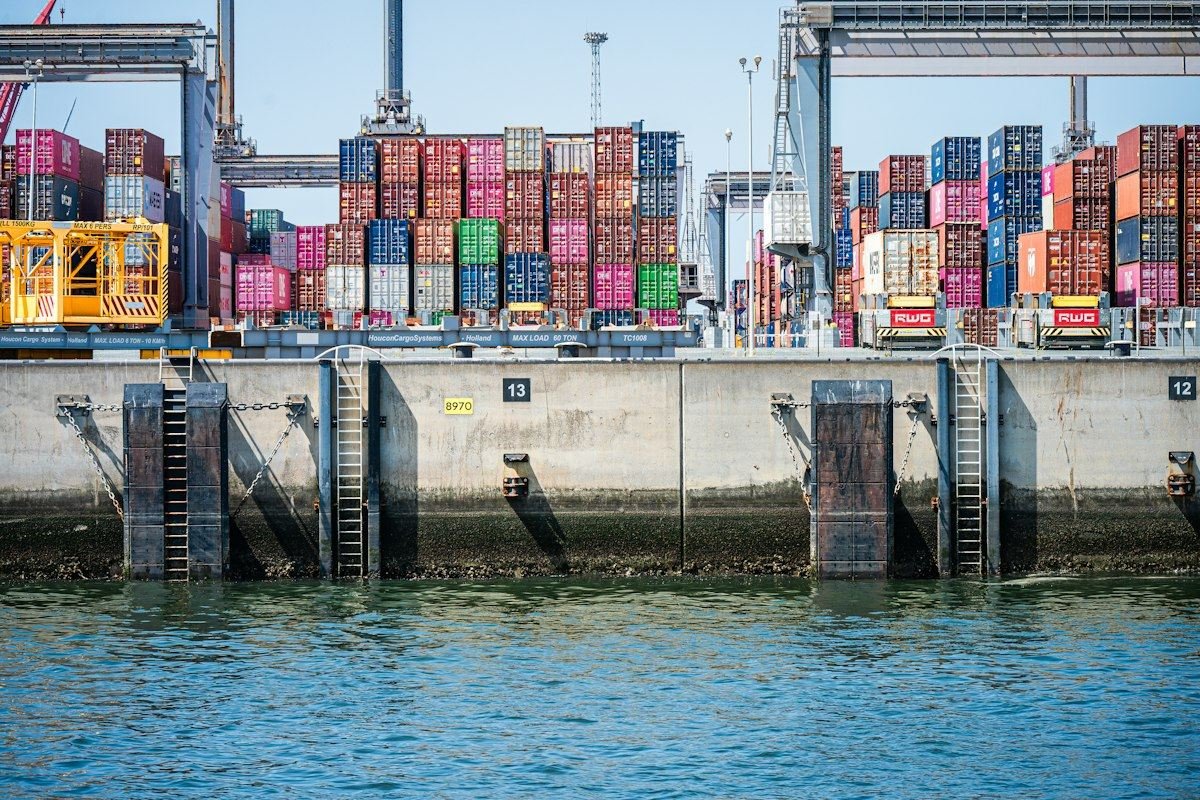
Researchers and communicators are reconsidering how climate warnings affect public understanding and engagement.

Investors entered a busy week tracking company results, elections and economic data.
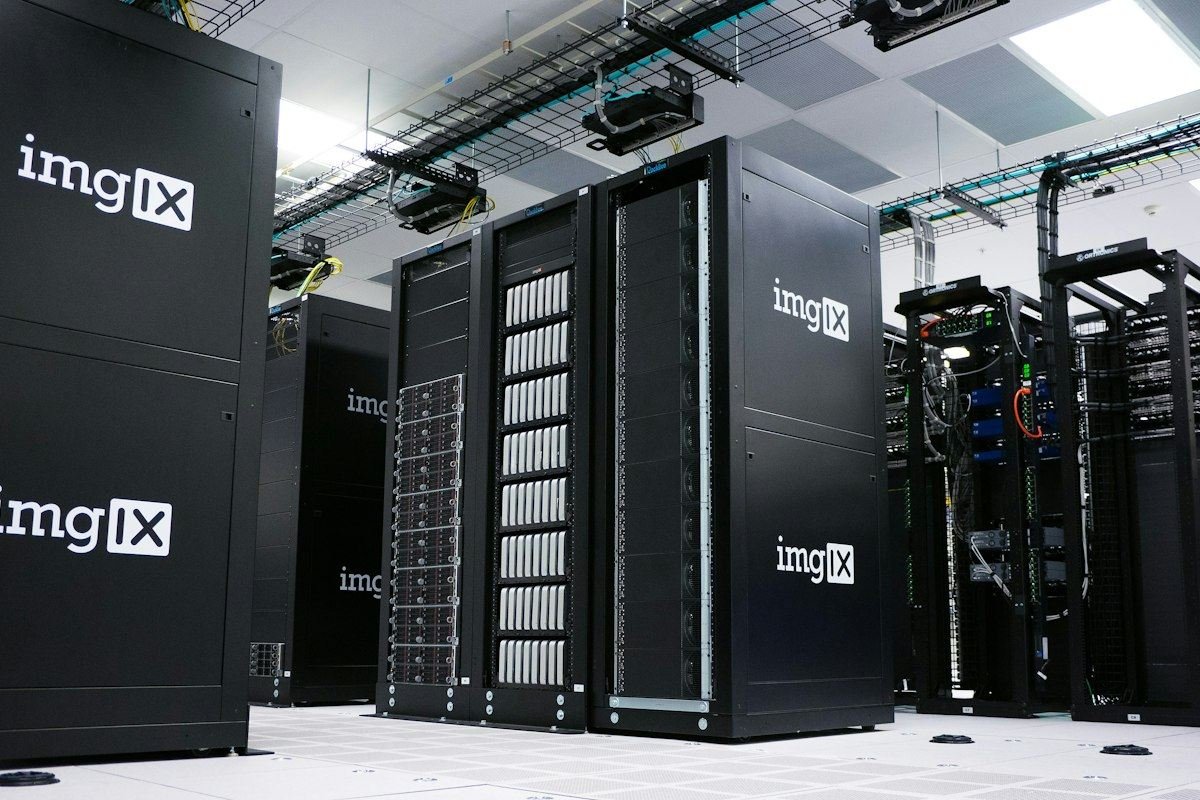
Officials left the Bangkok meetings with unresolved questions about debt, conflict, energy and AI.
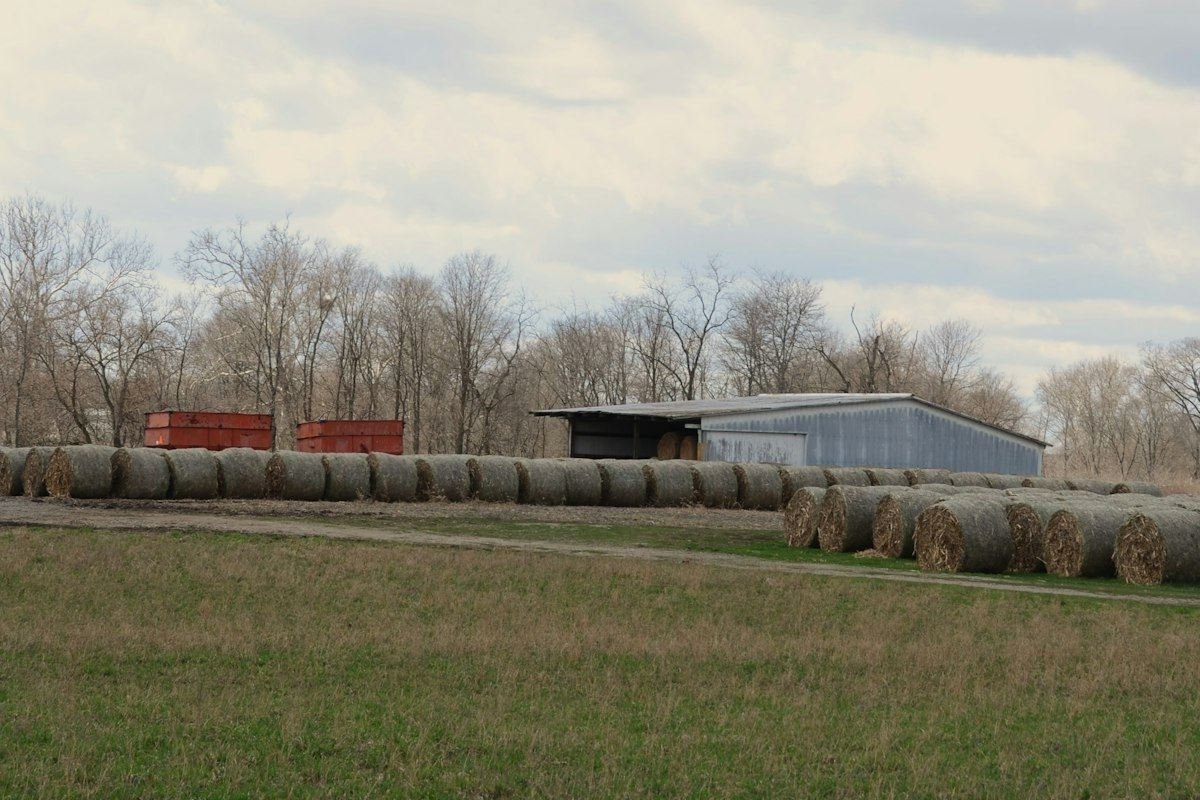
Kristalina Georgieva urged the United States and other wealthy countries to tackle mounting debt.

A UN official warned that delays to a fertilizer transit plan could put planting seasons at risk in parts of Asia and Africa.

Connectivity expanded worldwide, but access gaps remained concentrated in lower-income countries and rural communities.
UNEP estimates annual adaptation needs could reach $310 billion by 2035 under modelled costs, far above current public finance flows.